
Living in Southwest Florida means your driveway, patio, and pool deck take a beating year-round. Between UV rays, rainstorms, irrigation overspray, and daily wear, your pavers can start looking dull long before they should.
The good news?
Most homeowners don’t need new pavers — they simply need proper maintenance and sealing.
Before you spend thousands replacing a faded surface, here’s what’s really happening to your pavers, why they lose color, and how professional sealing keeps them protected for years.
The Real Reason Pavers Lose Their Color Over Time
Pavers don’t fade because they’re “old.”
They fade because they’re unprotected.
Here are the biggest causes:
1. Florida Sun (UV Damage)
UV rays break down the pigments inside pavers. When pavers aren’t sealed, nothing stops the sun from bleaching the color.
That’s why unsealed pavers turn light, chalky, or washed-out.
2. Rain & Moisture
Southwest Florida sees constant:
- downpours
- humidity
- standing water
- moisture creeping up from the ground
Water seeps into unsealed pavers, washing out fine sands and weakening the surface over time.
3. Joint Sand Loss
Your pavers rely on joint sand to stay locked in place.
When the sand washes out, pavers shift, loosen, and lose structural stability — which also changes how they reflect light, making the color appear inconsistent.
4. Irrigation & Hard Water Stains
Sprinklers can cause:
- white calcium deposits
- orange rust stains
- dark mineral streaks
Once embedded, these stains make pavers look older and dirtier than they really are.
5. Mold, Mildew & Algae
Hot, humid Florida weather leads to organic growth that causes:
- green patches
- black film
- slick surfaces
This organic layer hides the natural color of your pavers.
How Professional Cleaning Restores Paver Color
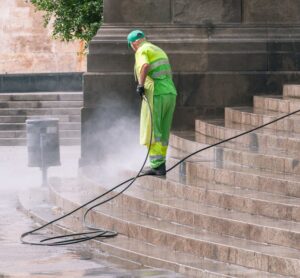
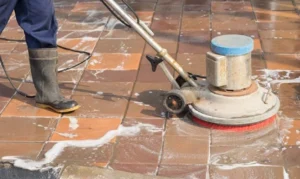
Before sealing, pavers need to be thoroughly cleaned.
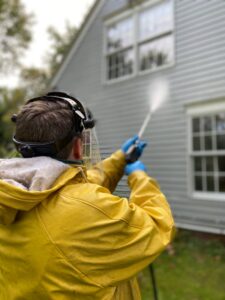
This isn’t “just pressure washing.”
Proper restoration involves:
✔ Surface Cleaning
Removes bacteria, dirt, and organic growth without damaging the surface.
✔ Joint Sand Removal (if needed)
Older or poorly sealed pavers often have failing sand that needs to be removed prior to restoration.
✔ Chemical Treatments (when necessary)
This step removes:
- Efflorescence (white powdery film)
- Calcium buildup
- Rust
- Irrigation stains
✔ Re-sanding the Joints
Fresh sand stabilizes the pavers and prepares them for sealing. This helps:
- Lock the pavers in place
- Reduce weed growth
- Prevent shifting
- Improve the overall finished appearance
When the cleaning and sanding are done correctly, your pavers already look newer — and sealing locks that appearance in.
Why Sealing Is the Key to Long-Lasting Color
Here’s where most homeowners go wrong:
They wait too long.
A good sealer keeps your pavers looking vibrant and protected from the elements. When applied correctly, high-quality sealers provide:
✔ UV Protection
Prevents sun bleaching and fading.
✔ Water Resistance
Reduces absorption, which prevents:
- erosion
- mold
- moisture stains
- color loss
✔ Joint Stabilization
When the sealer bonds with fresh sand, it keeps joints firm and prevents washout.
✔ Enhanced Color (Not Fake Gloss)
Sealer enhances the existing color — it doesn’t “paint” or artificially shine the surface.
Homeowners get a richer, cleaner look that lasts.
✔ Protection From Efflorescence & Hard Water
Sealing helps block mineral deposits that create unwanted white haze.
How Long Does a Good Paver Sealer Last?
Here’s the part most companies won’t explain clearly:
The lifespan of a sealer depends on:
- sun exposure
- foot/vehicle traffic
- water exposure
- quality of prep work
- weather conditions during application
- type of paver
But for Southwest Florida homeowners, a well-applied professional sealer typically lasts:
🏆 2–3 years for high-traffic driveways
🏆 Up to 4 years for patios, lanais, and pool decks
This is realistic, honest, and accurate — especially in Florida’s extreme climate.
No sealer lasts 5–10 years here.
Anyone telling you that is overselling.
Why Some Seal Jobs Fail Early (Cloudy, Hazy, Flaking, or Sticky)
If you’ve ever seen:
- cloudy white pavers
- flaking sealer
- sticky or shiny patches
- wet-looking spots that never dry
It’s almost always due to:
- coating failure
- moisture trapped under the sealer
- applying thick coats
- sealing without proper cleaning
- low-quality products
- poor weather conditions during the application
- No joint sand stabilization
The good news?
Many failed seal jobs can be stripped and restored professionally.
Should You Reseal? Here’s the Rule of Thumb
You should reseal when you notice:
- water starts soaking into pavers instead of beading
- sand washout
- dull color
- increased mold or algae
- hard water stains forming
- surface looks dry or chalky
If you’re unsure, a quick inspection tells the truth.
Final Thoughts: Protect Your Investment While Keeping Your Home Beautiful
Pavers are one of the most expensive parts of your property’s exterior.
Proper cleaning and sealing protect that investment and keep your home looking sharp year-round.
Whether your pavers are brand new or starting to fade, sealing restores the color, protects the surface, and extends their lifespan dramatically. It’s one of the smartest home maintenance decisions you can make in Southwest Florida.