
If you live in Southwest Florida, you already know how fast mold, algae, and grime can take over your home’s exterior. Between the humidity, heat, pollen, and constant rain, your driveway, stucco, roof, and pool cage never stay clean for long.
But here’s where most homeowners get confused:
Should you soft wash… or pressure wash?
Both methods clean your home — but they’re NOT the same, and using the wrong one can cause permanent damage.
This guide breaks down everything you need to know so you never choose the wrong method for your home again.
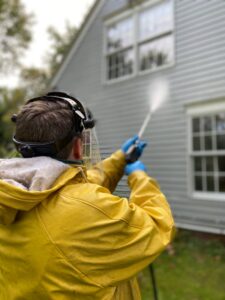
What Is Soft Washing?
Soft washing uses:
- Low pressure
- Specialized cleaning solutions
- A gentle rinse
The goal is to kill the organic growth, not just blast it off.
Soft washing is ideal for:
- stucco
- siding
- roofing materials
- soffits
- gutters
- pool cages
- lanais
- screens
- windows
- painted surfaces
- vinyl fencing
Soft washing is the safest method for most Florida homes — especially stucco and roofs — because it cleans deeply without risking cracks, chipping, or water intrusion.
What Is Pressure Washing?
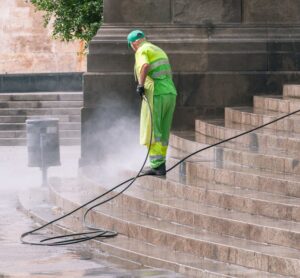
Pressure washing uses high-pressure water to remove:
- dirt
- grime
- tire marks
- surface stains
- oil
- mildew buildup on concrete
It’s ideal for:
- driveways
- sidewalks
- patios
- pool decks
- pavers (only when done correctly)
- brick
- hard surfaces
Pressure washing is all about force, not chemical breakdown. It’s great for tough surfaces — not delicate ones.
Soft Washing vs. Pressure Washing: Which One Should You Use?
Soft Washing — Best For Delicate or Porous Surfaces
Because soft washing uses low PSI and relies on detergents, it’s recommended for:
✔ Stucco
Pressure washing stucco can cause etching, holes, and water intrusion.
✔ Roofs
High pressure voids warranties on most roofing materials.
✔ Pool Cages + Screens
Pressure destroys screen mesh and bends aluminum frames.
✔ Siding
High pressure can:
- break seals
- cause leaks
- push water behind the siding
- force mold inside walls
✔ Painted Surfaces
High-pressure chips and strips paint.
Pressure Washing — Best For Hard Surfaces Only
Pressure washing is the best choice when the material is dense, durable, and intended to handle higher PSI.
✔ Concrete
Driveways, sidewalks, and aprons respond well to high pressure.
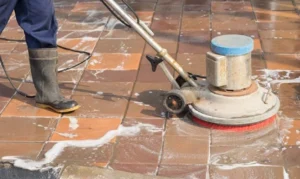
✔ Pavers (When Done Correctly)
Pavers can be pressure-washed — but the technician must:
- Avoid blasting joint sand out
- Use the right flow rate
- Use the correct surface cleaner
- follow up with proper sanding/sealing
Many cheap services destroy pavers because they don’t know what they’re doing.
Why Soft Washing Is So Important in Florida’s Climate
Florida is the perfect breeding ground for:
- algae
- mold
- mildew
- moss
- bacteria
- pollen buildup
The problem?
Pressure washing only removes the growth — it does NOT kill it.
Soft washing kills the root, which means:
- longer-lasting results
- reduced regrowth
- a cleaner, brighter finish
- less surface damage over time
If you’ve ever had your home pressure-washed and it got dirty again “too fast,” this is why.
Which Method Makes Your Home Look Cleaner Longer?
Soft washing generally lasts 2–3x longer than pressure washing because it removes the source of the problem.
Pressure washing = cosmetic
Soft washing = corrective + preventative
Common Damage Caused By Incorrect Pressure Washing
Homeowners call us all the time after hiring low-cost pressure washers who caused:
❌ Cracked stucco
❌ Stripped driveway sealer
❌ Paver joint sand blown out
❌ Water intrusion into walls
❌ Damaged pool cage screens
❌ Roof granule loss
❌ Etched paint and siding
This is why choosing the right cleaning method matters — and why professional exterior cleaning saves money in the long run.
What About “Soft Washing With a Pressure Washer?”
A lot of companies advertise soft washing, but really use:
- high pressure
- no chemical blend
- improper equipment
True soft washing cannot be done with high PSI.
If the technician isn’t using proper cleaning solutions and controlled pressure, it’s not soft washing.
How to Know Which Method You Need
Here’s a quick cheat sheet:
Soft Wash:
- stucco
- siding
- roofs
- pool cages
- lanais
- painted areas
- windows
- screens
Pressure Wash:
- driveways
- concrete
- hard surfaces
- patios
- Most paver prep before sealing
Combination (Professional Judgment Needed):
- pavers
- pool decks
- stone surfaces
- older materials
A trained technician will evaluate the surface and choose the safest approach.
Final Thoughts: The Right Cleaning Method Protects Your Home
Soft washing and pressure washing both have important uses, but choosing the wrong method can lead to expensive damage — especially with Florida’s softer building materials.
A proper exterior cleaning:
- restores curb appeal
- increases longevity
- prevents mold regrowth
- protects your home’s value
- prepares surfaces for sealing or painting
Whether your home needs a gentle soft wash or a strong pressure wash, the best approach is always a customized, professional one.